
Summary preview
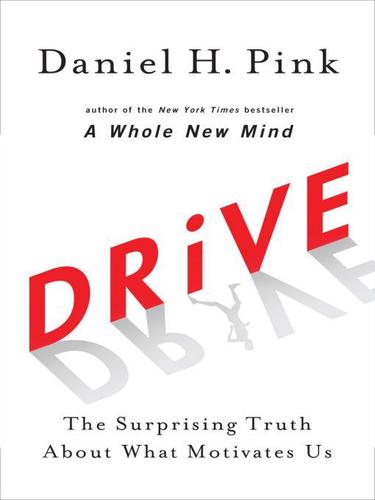
Unlocking Your Inner Drive: A Deep Dive into Daniel Pink's "Drive"
Daniel Pink's "Drive" challenges the long-held belief that external rewards (carrots and sticks) are the primary motivators for performance, especially in tasks requiring creativity and complex problem-solving. He argues that the traditional "Motivation 2.0" model is outdated and often counterproductive, introducing "Motivation 3.0" which centers on intrinsic motivators. These are broken down into three core elements: Autonomy, Mastery, and Purpose.
Section 1: The Old Way of Thinking (Motivation 2.0) - Why Carrots and Sticks Don't Always Work
For a long time, motivation was understood as a simple cause-and-effect system: reward good behavior, punish bad. This "Motivation 2.0" model, reliant on external incentives, was effective for routine, mechanical tasks prevalent during the Industrial Revolution. However, it falls short for modern work, which demands creativity, problem-solving, and engagement. Relying heavily on external rewards for complex tasks has several drawbacks: Extinguishes Intrinsic Motivation: External rewards can replace the internal joy of an activity, shifting focus from the task itself to the reward. Reduces Creativity: People tend to take the safest route to earn a reward, avoiding risks and novel ideas. Promotes Unethical Behavior: The pressure to achieve rewards can lead to cutting corners or cheating. Diminishes Performance on Complex Tasks: External
Section 2: The Pillars of Intrinsic Motivation - Autonomy, Mastery, and Purpose
Motivation 3.0 taps into our intrinsic drives, which come from within and are fueled by our innate desires. The three fundamental elements are: 1. Autonomy: The urge to direct our own lives. This involves having control and choice over our work. Pink identifies four aspects: Task Autonomy: Having a say in what we work on. Time Autonomy: Having c