
Summary preview
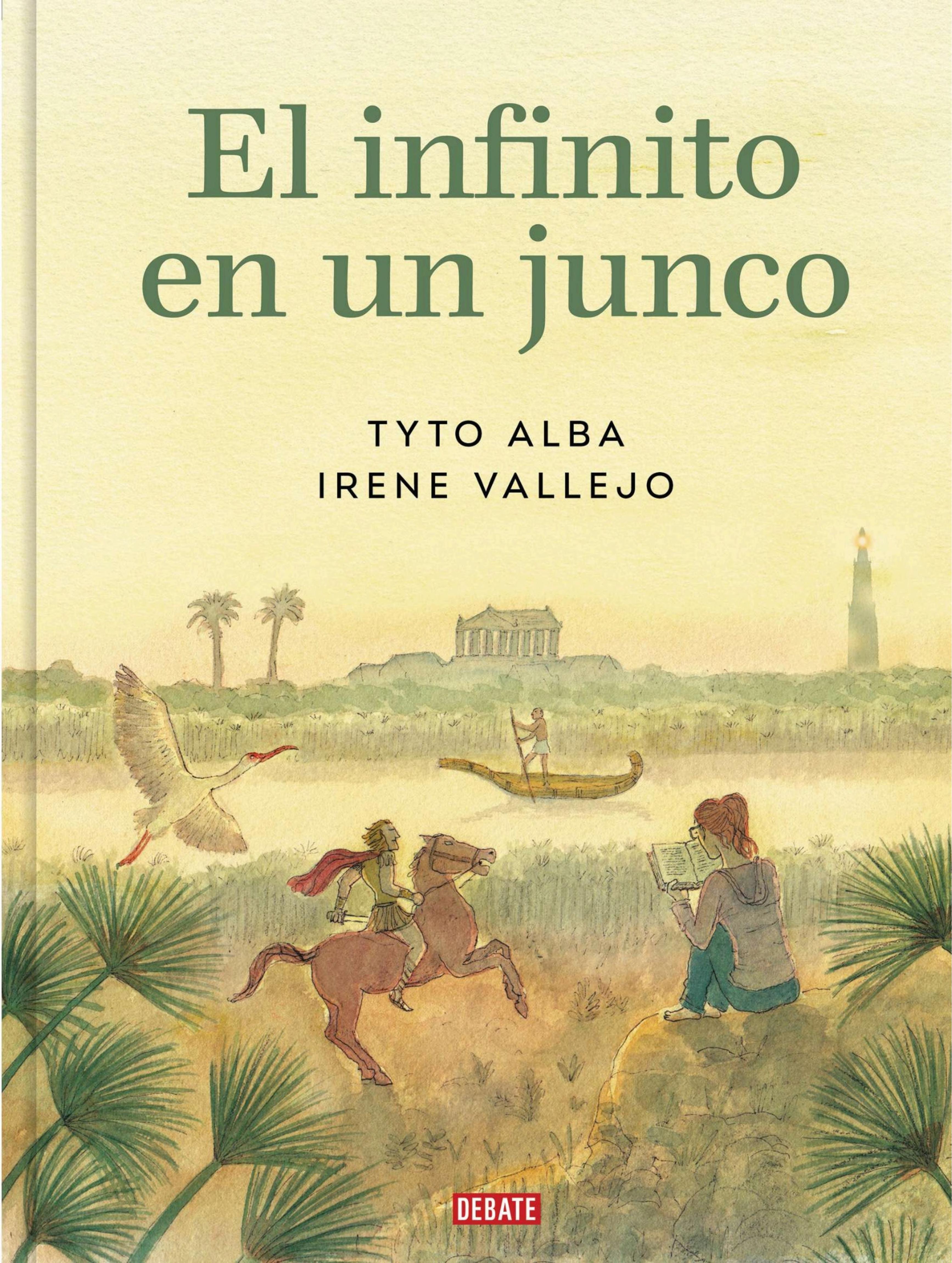
The Infinite Journey of the Book: A Deep Dive into Irene Vallejo's "Infinity in a Reed"
Irene Vallejo's "Infinity in a Reed" is a vibrant exploration of the book's enduring legacy. It chronicles its evolution from ancient origins to the digital age, highlighting the unsung heroes, the challenges of preservation, and the profound impact of the written word on human civilization. The book emphasizes that every interaction with a book connects us to a vast, ongoing human endeavor of preserving and sharing knowledge.
Section 1: The Birth of the Book - From Reed to Scroll
The book's journey began with the abundant reeds of the ancient Near East. The pith of these reeds was transformed into papyrus, a revolutionary medium for recording thoughts and stories, moving them beyond fleeting speech. This painstaking craft created a precious commodity. The dominant early format was the scroll, a long, rolled document requiring active, two-handed engagement. This linearity influenced storytelling and argumentation. The ability to record and store information permanently marked a fundamental shift in human consciousness, enabling knowledge accumulation and complex societies. Early libraries, like the ambitious Library of Alexandria, symbolized this ambition to gather all knowledge, yet demonstrated its inherent fragility. Scribes, the often-anonymous workers who meticulously copied texts, were crucial, though
Section 2: The Rise of the Codex - A Revolution in Reading
The codex, the ancestor of the modern book, represented a significant revolution. Its stacked, bound pages offered advantages over the scroll: greater space efficiency (writing on both sides), portability, and crucially, accessibility. Flipping directly to specific pages made referencing and studying far easier, a major boon for scholars. While initially met with some resistance from those accustomed to scrolls, early Christian communities embraced the codex for its practicality in compiling texts and spreading teachings. The codex's durability, compactness, and user-friendliness facilitated its eventual dominance, paving the way for features like tables of contents and indexes. This format shift democratized access to book