
Summary preview
Understanding Comics: A Journey Through the Art of Sequential Storytelling
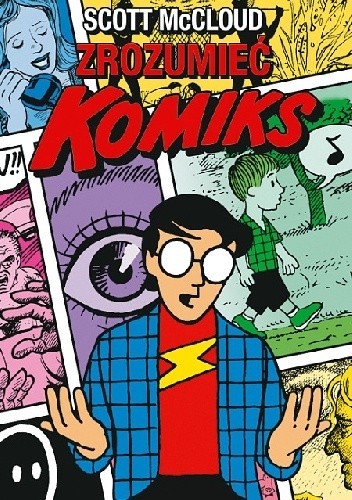
Scott McCloud's "Understanding Comics" is a seminal work that deconstructs the art form of comics, revealing its fundamental principles and immense potential. McCloud argues that comics are not merely a genre but a distinct medium defined by sequential art – any combination of images in deliberate sequence intended to convey information or aesthetic experience. This broad definition encompasses everything from cave paintings to digital narratives, positioning comics as a powerful and versatile language. The book's brilliance lies in its meta-approach: McCloud uses the comic medium itself to explain its workings. He delves into concepts that transform our understanding of visual storytelling, emphasizing how static images can create the illusion of motion, emotion, and entire universes.
The Core Idea: Comics as a Medium, Not Just a Genre
McCloud's central thesis is that comics are a medium, akin to film or literature, characterized by sequential art. This means any arrangement of images in a specific order to create meaning. This definition liberates comics from narrow perceptions, including cave paintings, storyboards, children's books, and even sequences of emojis. This foundational concept establishes comics as a unique language with its own grammar and vocabulary, focusing on how meaning is conveyed through the interplay of images and words over time (or the illusion of it).
The Power of the 'Gutter'
A cornerstone of McCloud's analysis is the 'gutter', the seemingly empty space between comic panels. Far from being insignificant, the gutter is where the magic of comics truly happens. It's the space that compels the reader's mind to actively participate, inferring transitions, movement, and events that are not explicitly depicted. This act of mental "closure" – filling in the gaps – makes comics uniquely engaging, inviting the reader to co-create the narrative experience.