
Summary preview
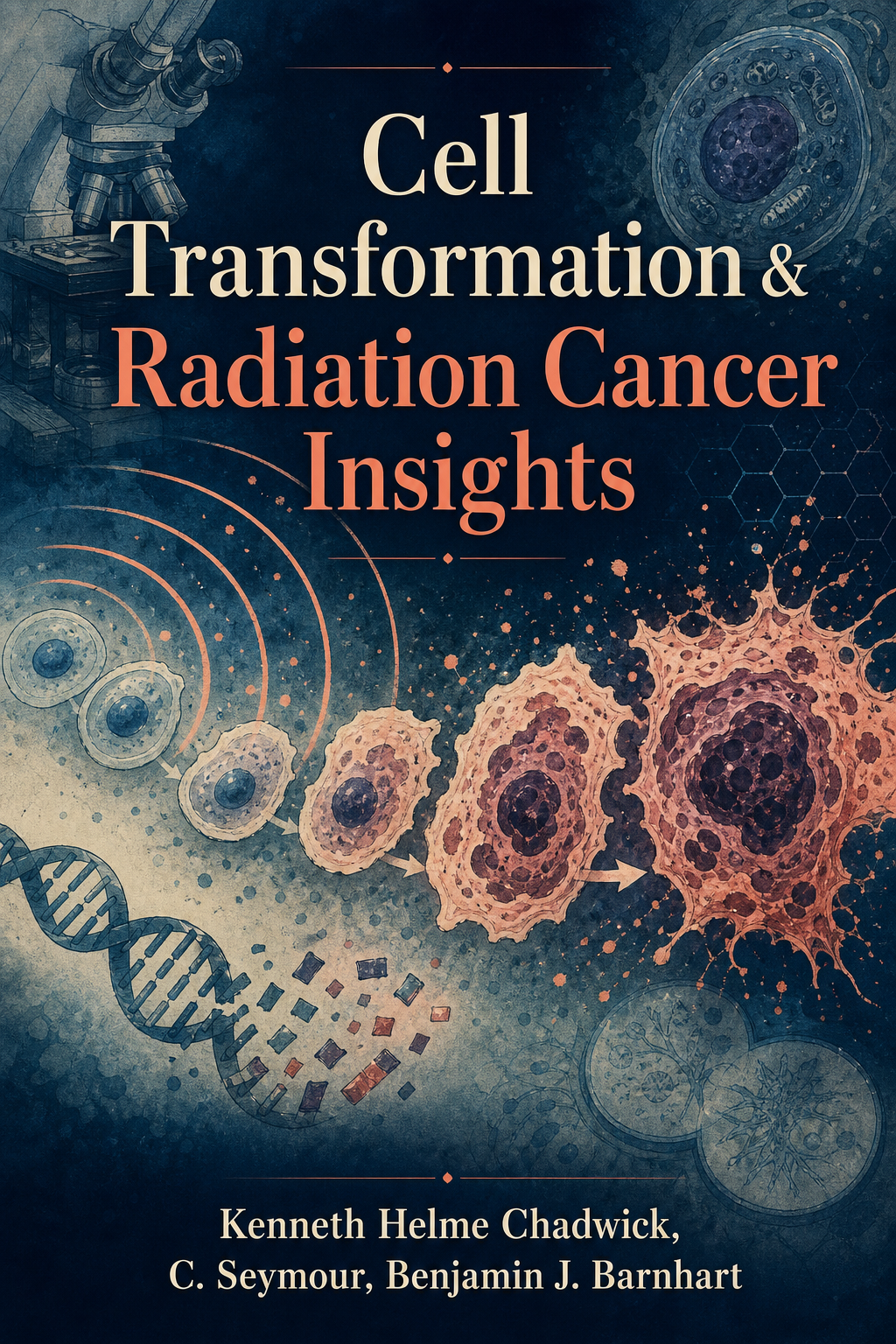
{ "title": "Cell Transformation and Radiation-Induced Cancer: A Deep Dive", "introduction": "This document delves into the complex field of mammalian cell transformation in laboratory settings and its implications for understanding radiation-induced cancer. It highlights a pivotal International Workshop held in Dublin, Ireland, in April 1989, which aimed to foster collaboration and share advancements in this area. The workshop's outcomes, compiled in the book Cell Transformation and Radiation-induced Cancer, focused on novel human cell transformation systems, the role of oncogenes, and the intricate effects of radiation. This research is crucial for both fundamental cancer biology and practical applications in radiological protection.", "keythemes": [ { "theme": "The Power of In Vitro Models", "description": "Laboratory-based cell transformation systems provide invaluable tools for studying carcinogenesis. By recreating the process of normal cells becoming cancerous in a controlled environment, researchers can isolate variables, observe early molecular events, and test potential interventions. This approach allows for the quantification and qualification of damage caused by physical and chemical agents, offering a microscopic view of the pathway to malignancy. The development of new, human-relevant transformation systems was a significant advancement highlighted at the workshop, moving research closer to understanding human cancer." }, { "theme": "The Starring Role of Oncogenes", "description": "Oncogenes, which are mutated or abnormally expressed genes that drive cell growth, are central to understanding cell transformation. These genes, derived from normal proto-oncogenes, can act as 'stuck accelerators,' promoting continuous cell division. Research at the workshop likely focused on identifying which oncogenes are activated by radiation or chemical exposure, understanding their mechanisms of action in promoting uncontrolled growth and survival, and how they interact with cellular pathways and respond to radiation damage. Understanding oncogene activation is key to comprehending how radiation initiates cancer." }, { "theme": "Radiation: A Complex Culprit", "description": "Radiation is a known carcinogen, but its effects are nuanced and depend on several critical parameters. The workshop emphasized the importance of: \n\n Radiation Quality (LET): Different types of radiation, characterized by their Linear Energy Transfer (LET), deposit energy differently. High LET radiation (e.g., alpha particles) causes dense, complex DNA damage that is harder to repair, potentially leading to a higher likelihood of transformation. Low LET radiation (e.g., X-rays) deposits energy more sparsely.\n Dose and Dose Rate: The total amount of radiation (dose) and the speed at which it is delivered (dose rate) significantly influence the biological impact. Higher doses generally increase risk, but the relationship isn't always linear. Dose rate effects are complex;