Summary preview
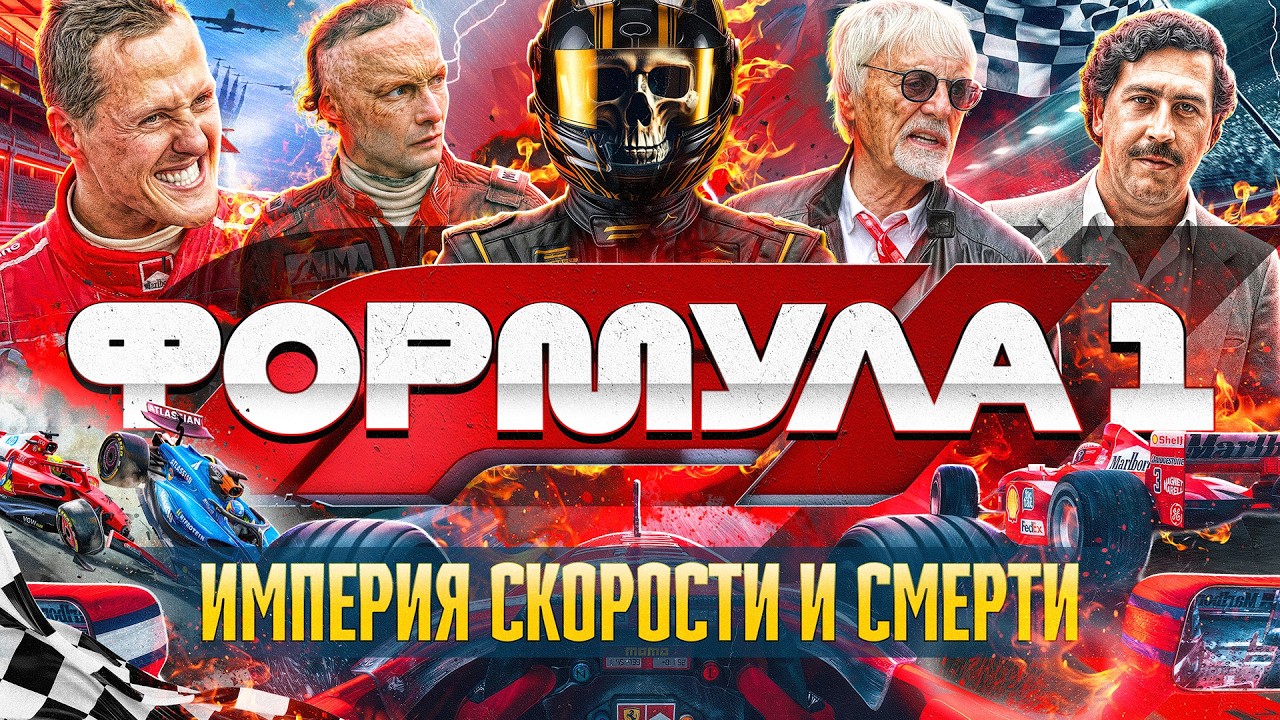
Formula 1: Speed, Money, Tragedies, Legends. The Great Media Machine.
Hello, friends! Today, we'll dive into a world where the roar of engines merges with the cheers of the crowd, where adrenaline surges, and the stakes are life itself. We're talking about Formula 1 – not just a sport, but a true media machine, the story of a brand that conquered the world with speed, risks, billions, and, alas, tragedies.
Introduction: A Black Weekend and the Promise of Speed
Imagine: Spring 1994, San Marino. Imola. A track that would later be called Formula 1's "black weekend." The day before the Grand Prix, Ayrton Senna, the greatest driver on the planet, senses something is wrong. He wants to withdraw, but duty and a promise made in memory of Roland Ratzenberger, who died the day before, compel him to start. Ratzenberger, a driver who entered the sport at 33, not for money, but because he couldn't do otherwise. He wanted to conquer speed. Senna, who respected such "old wolves," took his death as a personal tragedy. He promised to win in Roland's memory. But fate had other plans. At over 300 km/h, Senna's car crashed into a wall. A small Austrian flag was found in his hand – a symbol of his promise. Ayrton Senna would die that same day. Paradoxically, this tragedy did not break Formula 1, but only fueled
The Beginning of the Journey: From Newspaper Sensation to the First Track
The history of motorsport began long before the advent of modern racing cars. July 22, 1894, is the official birthday. The first race of horseless carriages from Paris to Rouen. The organizer was the newspaper "Le Petit Journal," seeking a sensation. Instead of car clubs, there were garages, streets, and enthusiasts. The cars were diverse: steam-powered, gasoline-powered, electric. The main criterion was reliability, not speed. The prize was 5,000 francs. It's no surprise that there were also tricksters