
Summary preview
Lessons from an Activist Intellectual: Teaching, Research, and Organizing for Social Change
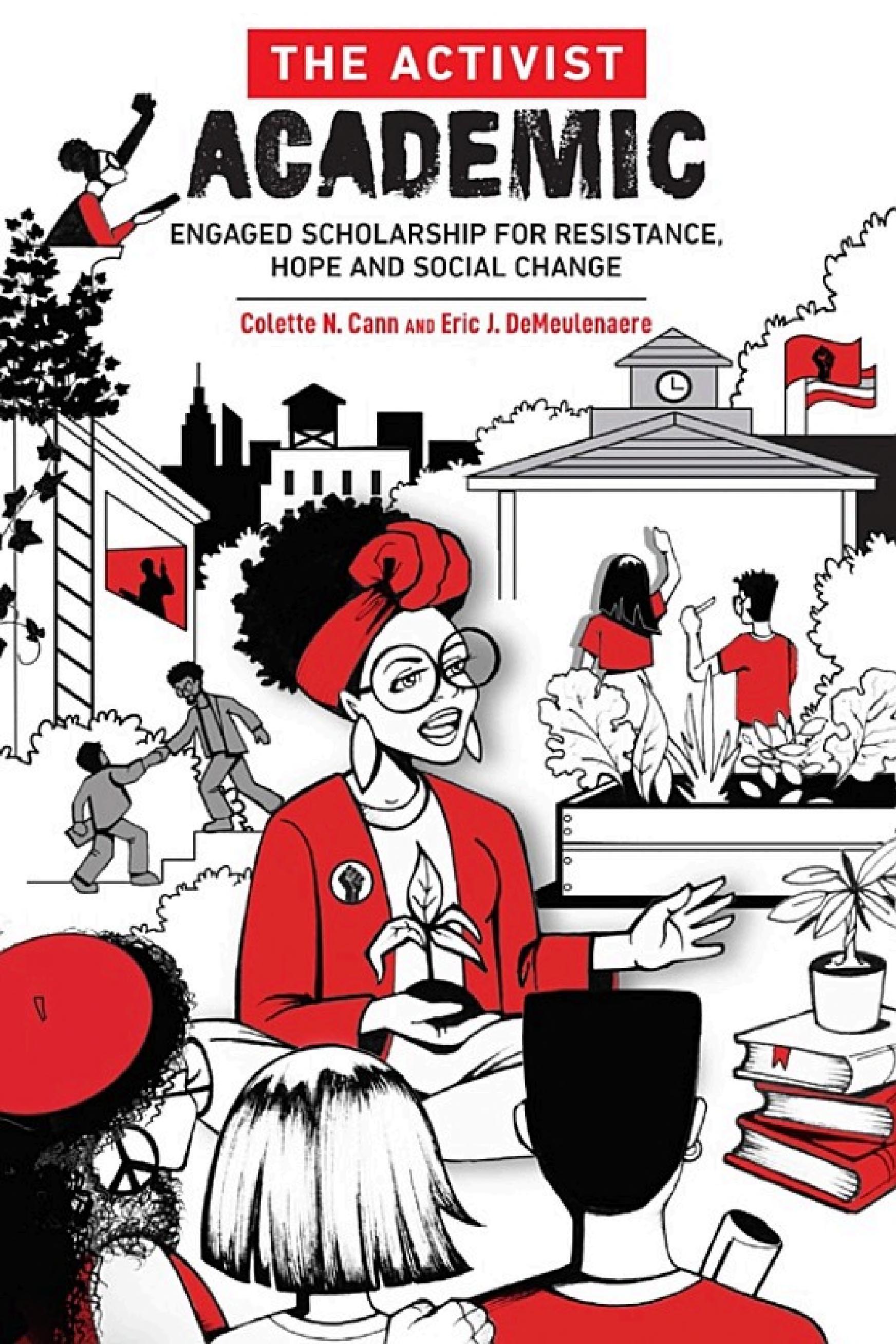
This book explores the vital role of individuals who combine intellectual pursuits with a commitment to social change. It argues that teaching, research, and organizing are not separate endeavors but interconnected pillars for transforming society. The core philosophy emphasizes the symbiotic relationship between thought and action, challenging the traditional academic separation from real-world issues.
The Core Philosophy: The Intertwined Nature of Thought and Action
The fundamental argument is that intellectual work and social activism are deeply intertwined. The "activist intellectual" uses knowledge to fuel social justice efforts and, in turn, has their activism enrich their intellectual work. This integration is presented as the most potent path to meaningful social transformation, akin to a scientist not just studying a disease but working to cure it.
Section 1: The Power of Teaching as Activism
Teaching, in this context, is a dynamic site of resistance and empowerment. Educators are urged to: Redesign Curriculum: Incorporate diverse perspectives and critical analyses of power, questioning what, why, and how content is taught. Adopt Dialogical Pedagogy: Foster active participation, critical analysis, and open discussions, with the teacher acting as a facilitator. Connect Learning to the Real World: Use case studies, guest speakers, and community-based projects to demonstrate the relevance of classroom concepts and empower students to influence the world. Model Values: Demonstrate intellectual humility, commitment to justice, and willingness to engage in difficult conversations, creating an inclusive and supportive classroom environment. The classroom transforms from a space of passive reception into a laboratory for critical thought and a launchpad for action, nurturing critically conscious and engaged citizens.
Section 2: Research as a Tool for Liberation
Research is viewed not just as the pursuit of objective knowledge but as a potent force for social change. Key aspects include: Problem-Oriented Focus: Prioritize social issues affecting marginalized communities, such as poverty, racism, and environmental degradation. Participatory Methodology (PAR): Engage community members as co-researchers, valuing their lived experiences and local knowledge alongside academic expertise. This empowers communities to analyze their own situations and identify solutions. Accessible Dissemination: Share findings beyond academic journals through reports for community organizations, policy briefs, public forums, and media outreach, ensuring knowledge serves the purpose of informing action. This approach is inherently political, challenging value-neutrality by acknowledging research's context within power structures. It uses inquiry to disrupt the status quo and advocate for tangible improvements.
Section 3: Organizing for Collective Impact
Organizing is the engine that translates ideas into collective power. Effective organizing involves: Understanding the Landscape: Deeply listening to community concerns, identifying power dynamics, understanding historical context, and recognizing allies and opponents. Building trust and mutual respect is paramount. Building Coalitions: Creating bridges across different communities and organizations by identifying shared interests and fostering a common purpose. Diversity within a movement is seen as a source of strength. Mobilization: Developing clear goals and strategies, creating attention-grabbing campaigns, and empowering individuals to take action through grassroots advocacy, direct action, or policy advocacy. Sustainability and Resilience: Building structures not dependent on a few leaders, fostering a culture of care, and developing strategies for long-term engagement. Organizing is presented as both strategic and human, harnessing collective power to challenge injustice and build a more equitable future.
Section 4: The Ethos of the Activist Intellectual
Beyond practices, the ethos encompasses values and commitments: Commitment to Justice: An unwavering guiding principle, fueled by empathy for the oppressed and a dedication to challenging injustice. Critical Consciousness: Continuous self-reflection and social critique, questioning dominant narratives, analyzing power, and examining biases. Intellectual Humility: Openness to learning from others, especially those with lived experience, valuing collaboration and collective wisdom. Courage and Resilience: The bravery to speak truth to power, take risks, and persevere through adversity. Integrity: Aligning actions with values, ensuring ethical conduct and building trust. Holistic Approach: Recognizing the interconnectedness of social issues and addressing systems of oppression comprehensively. This ethos guides a life that is both intellectually engaged and actively committed to creating a more just society.