
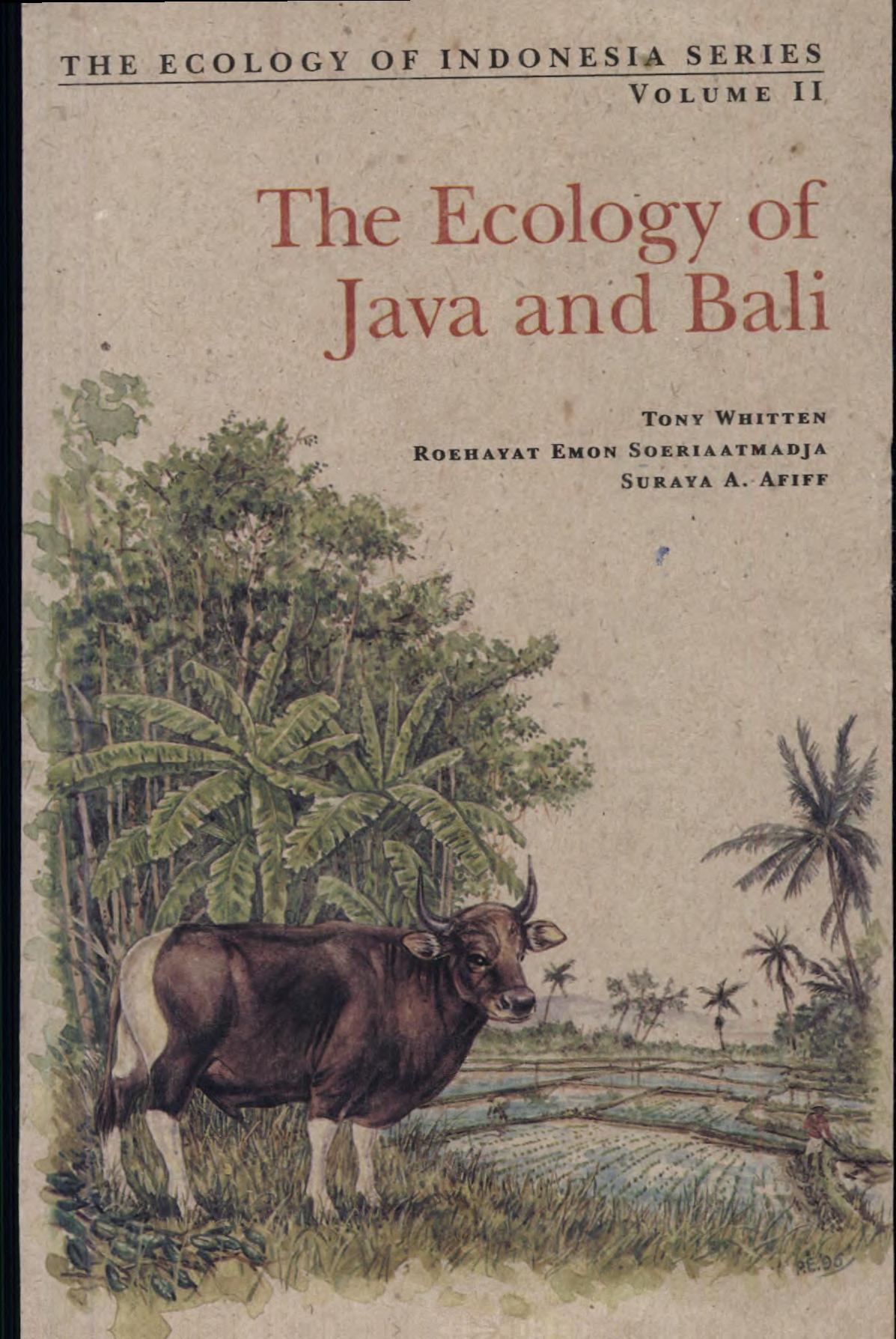
Summary preview
Java and Bali: An Ecological Crossroads
This summary delves into the critical environmental situation of Java and Bali, two Indonesian islands facing intense ecological challenges. Four years of dedicated research have illuminated the state of their coastal and marine ecosystems, revealing extraordinary biodiversity under severe pressure from development and population growth. The book aims to provide solid ecological data to foster a holistic view of progress, considering both economic benefits and ecological/social impacts. It serves as a wake-up call, offering a clear picture of these vital ecosystems' status, acknowledging their rich biodiversity while confronting the harsh realities of human activity.
The Urgency of the Situation
Java and Bali are identified as the epicenter of Indonesia's ecological challenges due to their high population density, economic significance, and subsequent strain on natural resources. Coastal areas are particularly vulnerable, and the health of marine environments is paramount for an archipelago nation. The degradation of these ecosystems impacts fundamental life-support systems, including fisheries, water quality, and coastal protection, affecting livelihoods, health, and quality of life. The research quantifies these impacts, making them tangible.
A Treasure Trove Under Threat
The marine biodiversity of Java and Bali, situated within the Coral Triangle, is extraordinary, supporting a vast array of marine life and underpinning economies through fisheries and tourism. However, this biodiversity faces severe threats from overfishing, pollution (agricultural runoff, industrial waste, plastic), habitat destruction (coastal development, aquaculture), and climate change (sea-level rise, ocean acidification, warming waters). The research meticulously documents these pressures, highlighting their toll on ecosystem resilience.