
Summary preview
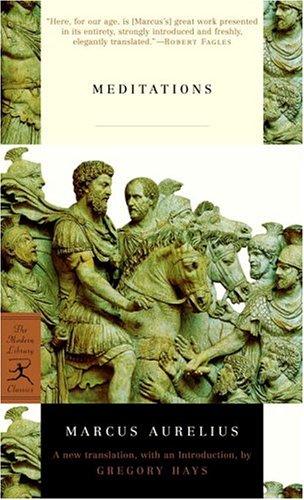
Meditations: An Emperor's Guide to Living Well
Marcus Aurelius' "Meditations" is a collection of personal philosophical exercises, a diary written by a Roman Emperor for himself amidst the chaos of wars and empire. It offers profound insights into living a virtuous and meaningful life, remarkably relevant today. The core idea is that our inner world—our thoughts, judgments, and reactions—is the only thing we truly control.
The Core Idea: Mastering Your Inner World
The central tenet of "Meditations" is the absolute control we have over our inner world: our thoughts, judgments, and reactions. External events, other people's actions, and even our bodies are beyond our direct command. Marcus emphasizes focusing energy on character and responses, not on uncontrollable external factors. This is the bedrock of Stoicism, advocating for living in accordance with nature, which for humans means using reason. A good life involves clear thinking, just actions, and acceptance of the natural order, including change, impermanence, and interconnectedness.
The Nature of Reality and Our Place In It
Marcus consistently reminds himself of the universe's constant flux and the impermanence of all things. Empires, lives, and even celestial bodies change. This perspective is meant to foster appreciation for the present and detachment from transient possessions and circumstances. Everything originates from and returns to the cosmos, making us interconnected parts of a larger system. This understanding humbles us and contextualizes our problems. He also stresses the "common nature"—our inherent social inclination to cooperate for the collective good, recognizing that individual well-being is tied to the community's welfare.