
Summary preview
Stoic Active Spiritual Exercises: The Path to Self-Improvement
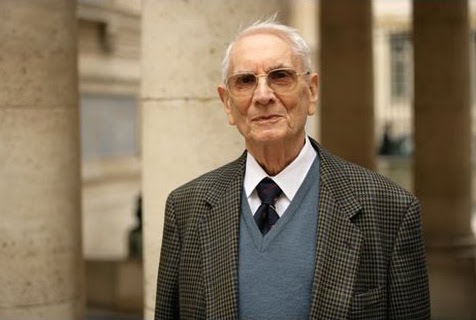
Stoicism, a philosophy born in Ancient Greece, offers not just a collection of theoretical knowledge but a practical guide to living. In today's world, awash with information and distractions, returning to the roots of Stoic wisdom can be the key to finding inner harmony and resilience. The concept of 'active' spiritual exercises, developed by the French philosopher Pierre Hadot, deserves particular attention. These exercises, rooted in the teachings of Epictetus, represent an effective way to transform oneself and approach the ideal of the sage.
Introduction: Philosophy as a Way of Life
Stoicism has always emphasized the importance of autarky – self-sufficiency and inner freedom, a state where an individual depends only on themselves. Pierre Hadot, in his exploration of ancient philosophy, saw this pursuit as a universal ideal present in various philosophical schools. However, as often happens, people tend to fall captive to external circumstances, passions, and desires, distancing themselves from their true selves. The ancient Stoics addressed this problem by turning their philosophy into a daily practice. For them, spiritual exercises were not mere rituals but a way to 'return to oneself,' to free oneself from a state of alienation caused by anxiety, passions, and insatiable desires. The Stoics believed that philosophy is not a subject to be studied but a way of life. As Epictetus wrote, some people merely talk about