
Summary preview
Medical Parasitology: Your Friendly Guide to Tiny Invaders
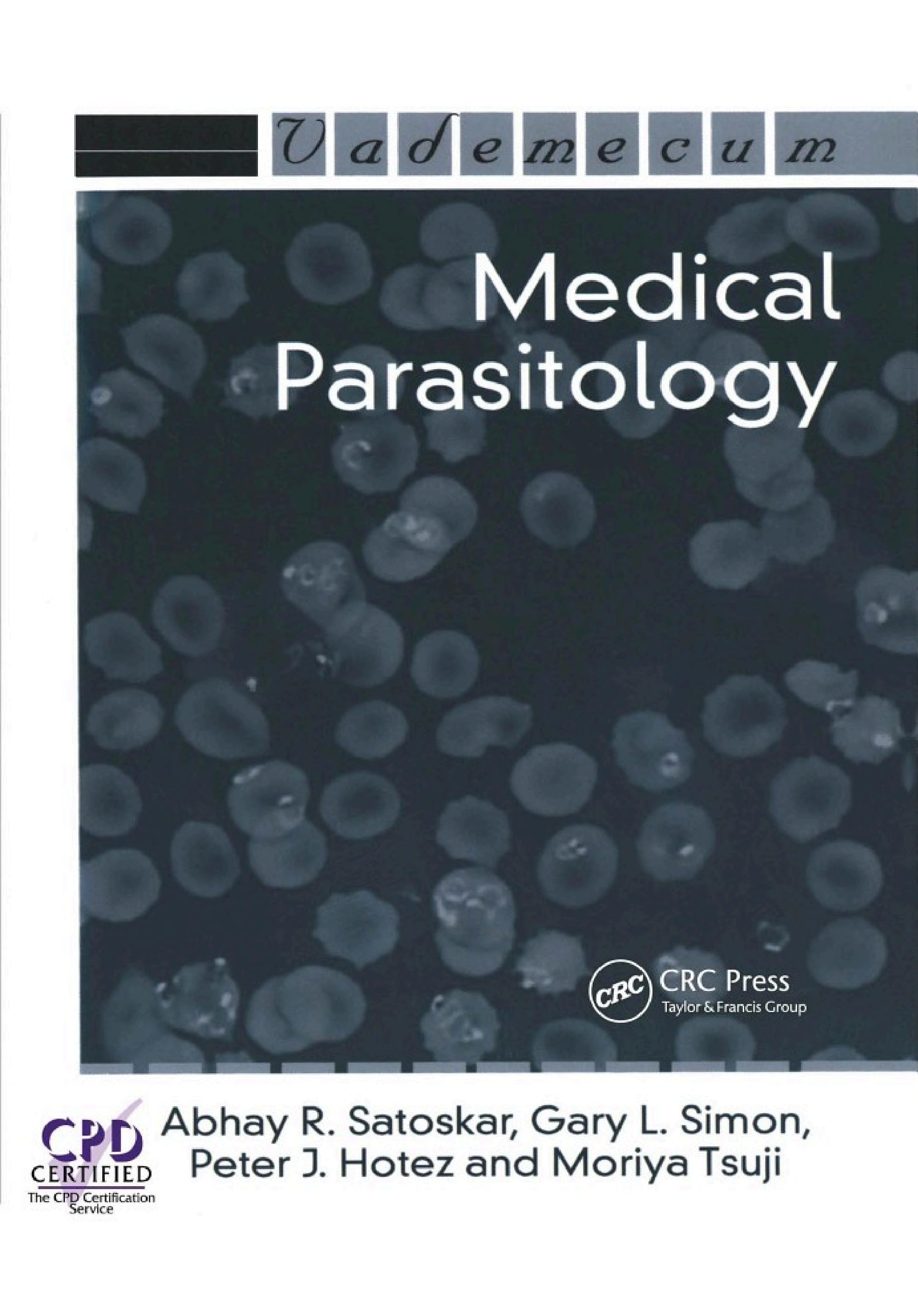
This summary distills the key insights from "Medical Parasitology" by Satoskar, Simon, Hotez, and Tsuji, offering a comprehensive yet accessible overview of the field. It emphasizes the global significance of parasitic infections, the scientific principles behind their control, and practical strategies for prevention.
Section 1: Intro - What's the Big Deal with Parasites?
Parasitic infections remain a significant global health concern, affecting millions worldwide, including in developed nations. Early diagnosis and treatment are crucial to prevent severe health issues. This field of study is vital for understanding global health, basic biology, and disease prevention.
The Scope of the Problem: It's Bigger Than You Think
The term "parasites" encompasses a wide range of organisms, from single-celled protozoa (like Plasmodium, the malaria parasite) to multi-celled worms (tapeworms, roundworms) and ectoparasites (lice, ticks). These are not historical curiosities but active contributors to global morbidity and mortality, particularly in developing nations. Diseases like malaria, schistosomiasis, and leishmaniasis cause immense suffering and economic damage. The book stresses that globalization, travel, and climate change are making these infections relevant in developed countries as well.