
Summary preview
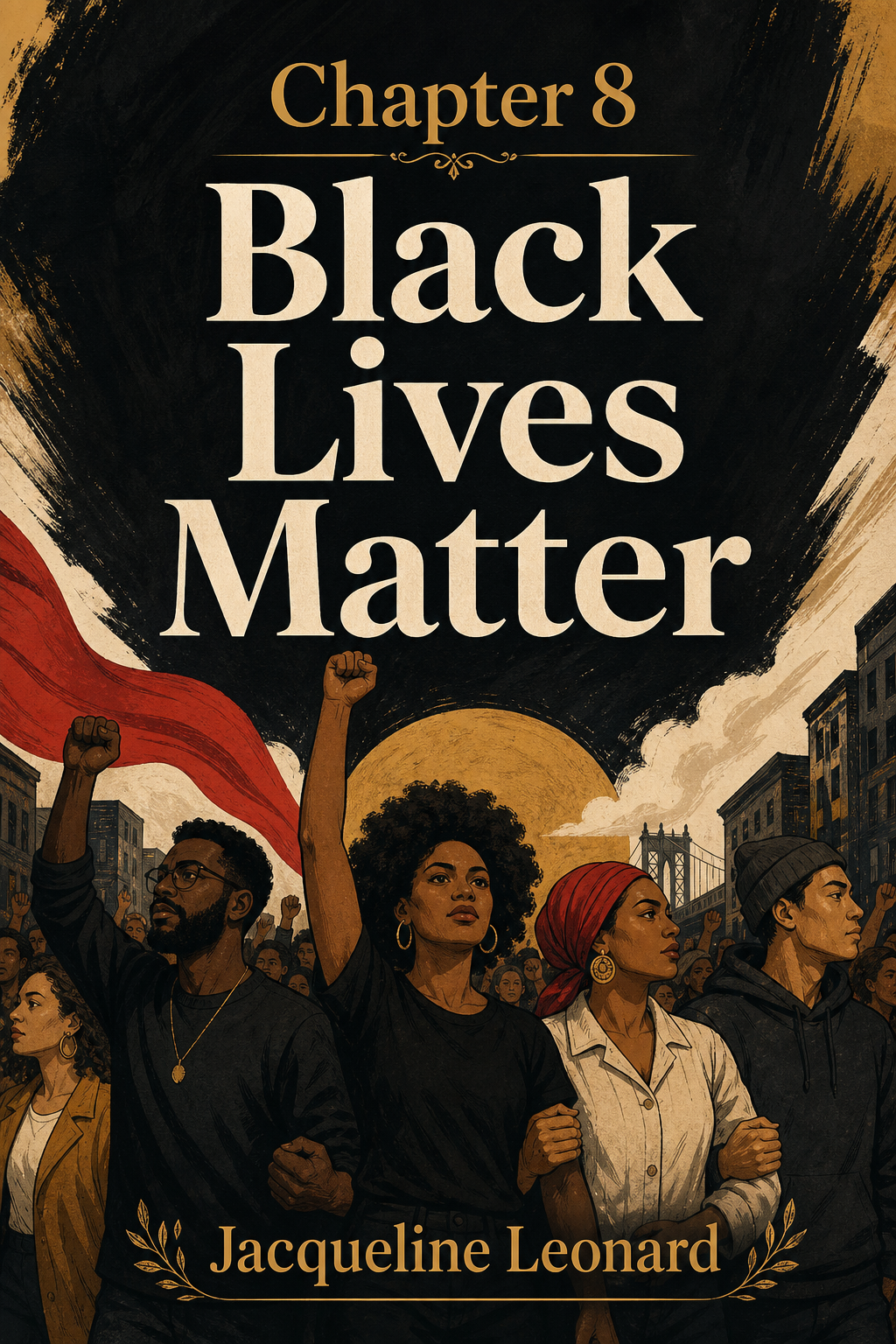
{ "title": "Chapter 8: Black Lives Matter - A Comprehensive Exploration", "sections": [ { "heading": "Introduction: Setting the Stage", "content": "This chapter delves into the Black Lives Matter (BLM) movement, exploring its core ideas, history, and societal impact. It aims to provide a substantive understanding of BLM as a fight for justice, equality, and human dignity, examining its arguments, historical context, and practical applications for change." }, { "heading": "The Genesis of Black Lives Matter: More Than Just a Hashtag", "content": "BLM emerged in 2013, sparked by the acquittal of George Zimmerman in the shooting death of Trayvon Martin. Co-founders Alicia Garza, Patrisse Cullors, and Opal Tometi created the hashtag #BlackLivesMatter to affirm the value of Black lives in response to systemic injustice. The movement is a continuation of centuries of activism against racism and violence, drawing on the legacy of the Civil Rights Movement. It gained significant traction after the deaths of Michael Brown and Eric Garner in 2014. BLM is characterized by its decentralized structure, operating as a network of activists and local chapters rather than a top-down organization." }, { "heading": "Core Tenets: What Black Lives Matter Stands For", "content": "BLM's core tenets include:\n1. Affirmation of Black Humanity and Value: Declaring the inherent worth of Black lives, countering historical dehumanization and devaluation.\n2. Combating Systemic Racism and White Supremacy: Addressing racism embedded in societal structures (legal, housing, education, etc.), not just individual prejudice.\n3. Ending Police Brutality and Violence: Demanding an end to excessive force, racial profiling, and the disproportionate killing of Black individuals by law enforcement, advocating for accountability and reforms.\n4. Intersectionality: Recognizing that experiences of racism are shaped by other identities (gender, sexual orientation, class, disability), striving for inclusivity.\n5. Justice and Accountability: Seeking legal recourse, holding institutions responsible, and advocating for systemic changes to prevent future harm.\n6. Empowerment and Black Liberation: Fostering self-determination, celebrating Black culture, and building political and economic power." }, { "heading": "The Impact and Evolution of the Movement", "content": "BLM has significantly shifted public discourse on race and police brutality, making these issues mainstream. The large-scale protests, especially in 2020, created a cultural moment. It has driven policy changes at local levels (e.g., body cameras, de-escalation training, use-of-force policy changes) and influenced state/federal legislation. Corporations and institutions have responded with statements and DEI initiatives, though some are criticized as performative. Culturally, BLM has inspired art, music, and literature. The movement has evolved, broadening its scope to economic justice, educational equity, and more, while also