
Summary preview
The Evolving University and the Citizen Scholar: A Deep Dive
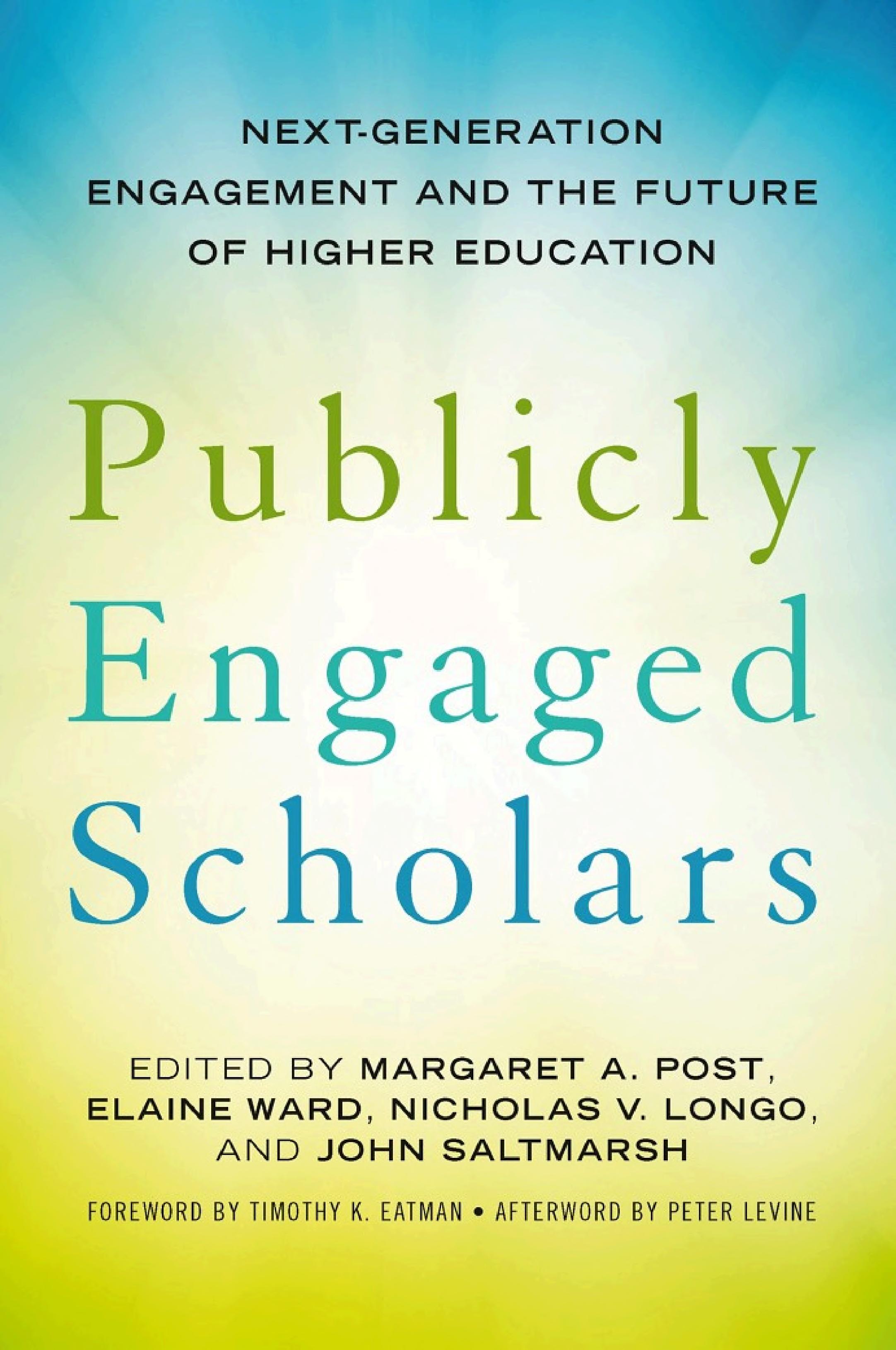
This book explores the evolving role of higher education, advocating for universities to become engines for creating informed, engaged citizens who contribute to society. It argues that in a rapidly changing world, universities must move beyond traditional research and specialization to foster a "citizen scholar" mindset.
Setting the Stage: Why Now?
The contemporary world faces rapid technological advancements, complex global challenges (climate change, inequality), and a public seeking solutions. The traditional university model, focused solely on advanced research and specialized training, is insufficient. Universities have a crucial role in cultivating "citizen scholars" – individuals who are knowledgeable and engaged, using their understanding for the public good. In an era of abundant information but potential wisdom deficits and rising misinformation, universities are uniquely positioned to bridge the gap between academic knowledge and real-world application, fostering critical thinking and informed citizenship.
The Core Idea: What is a "Citizen Scholar"?
A "citizen scholar" is not a fixed role but a mindset and commitment. It involves actively seeking knowledge and understanding not just for personal gain, but with the intention to contribute positively to society. This bridges the gap between academia and pressing societal issues. Key components include: 1. Intellectual Curiosity: A genuine desire to learn and explore. 2. Critical Thinking: The ability to analyze information, identify biases, and form reasoned judgments. 3. Civic Engagement: Willingness to participate in public life (voting, organizing, dialogue). 4. Ethical Awareness: Consideration of the societal implications of knowledge and actions. 5. Commitment to the Public Good: Using skills and knowledge to address societal challenges. Universities have a responsibility to cultivate this by designing curricula that encourage civic engagement, supporting faculty in public scholarship, and creating platforms for knowledge exchange.
The University's Evolving Role: Beyond Ivory Towers
Universities must become more outward-facing and integrated with their communities, moving beyond the isolated "ivory tower" model. This involves: Public Scholarship: Faculty and students engaging in research and creative work that is rigorous, relevant, and accessible to the public (e.g., consulting, accessible exhibits, community environmental projects). Community Partnerships: Building reciprocal relationships with external organizations (non-profits, businesses, government) for collaborative problem-solving and shared impact. Curriculum Reform: Integrating civic learning and public engagement through service-learning, community-based research, and courses on civic issues. Accessible Knowledge: Making research and expertise accessible beyond academic journals through public lectures, online resources, and media engagement. Fostering Dialogue: Serving as spaces for respectful, evidence-based dialogue on contentious issues. This shift enriches the academic mission by connecting it to real-world impact, demonstrating higher education's tangible value.
Challenges and Opportunities
Challenges: Incentive Structures: Traditional academic rewards prioritize research output over public engagement. Resource Constraints: Developing public outreach requires significant time, funding, and staff. Measuring Impact: Quantifying the impact of public scholarship and civic engagement is difficult. Risk Aversion: Universities may be hesitant to engage in controversial public issues. Preparedness: Faculty and students may lack skills for effective public engagement. Opportunities: Increased Relevance and Public Trust: Demonstrating societal impact bolsters confidence in higher education. Enhanced Student Learning: Real-world engagement provides invaluable learning experiences. Attracting Diverse Talent: A more engaged university attracts those passionate about social impact. Driving Innovation: External collaborations spark new research ideas and solutions. Contributing to a Healthier Democracy: Fostering critical thinking and informed engagement strengthens democratic institutions. The potential benefits outweigh the challenges, making this evolution necessary.
The Individual's Role: Becoming a Citizen Scholar
Individuals can embrace the citizen scholar identity by taking ownership of their learning and engagement: Stay Curious: Continuously learn and explore diverse subjects. Develop Critical Thinking: Practice evaluating sources and understanding perspectives. Engage with Your Community: Volunteer, attend meetings, and support local initiatives. Share Your Knowledge: Mentor, write, present, or engage in informed conversations. Be an Informed Citizen: Understand civic issues and participate in democratic processes. Embrace Lifelong Learning: Seek continuous learning opportunities. Becoming a citizen scholar empowers individuals to contribute actively to a more informed and engaged society, making their knowledge count beyond themselves.