
Summary preview
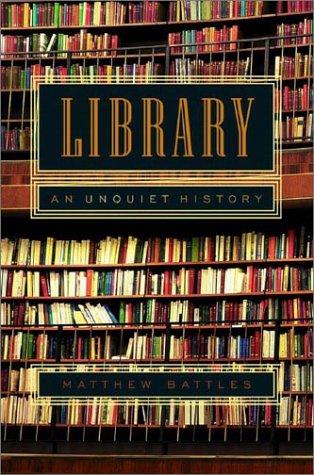
{ "title": "Matthew Battles' \"Library\": A Journey Through the Heart of Knowledge", "introduction": "Matthew Battles' \"Library\" offers a comprehensive and passionate exploration of libraries, challenging the perception of them as mere repositories of books. The book argues that libraries are dynamic engines of human progress, crucial for preserving collective memory, and vital battlegrounds for intellectual freedom and democracy. It traces their evolution from ancient Mesopotamian archives to contemporary digital spaces, highlighting their transformative impact on society, ideas, and self-understanding.", "sections": [ { "title": "The Grand Sweep: From Clay Tablets to Cloud Storage", "content": "Battles embarks on an extensive historical journey, beginning with the earliest forms of knowledge organization in ancient Mesopotamia and moving through iconic institutions like the Library of Alexandria. He details the painstaking efforts of scribes and scholars in pre-printing press eras, emphasizing the monumental task of gathering and protecting knowledge. The narrative then progresses through pivotal moments such as the invention of the printing press, which democratized information, and the rise of public libraries in the 19th century, making knowledge accessible to broader populations. The digital revolution is presented not as an end for libraries, but as the latest phase in their continuous evolution, with libraries adapting to integrate digital resources and serve communities in new ways. This section underscores the resilience and constant reinvention inherent in the library's history." }, { "title": "More Than Just Books: The Library as a Social Hub", "content": "A significant theme is the library's role as a social and community center. Battles emphasizes that libraries have always been more than just information archives; they function as democratic spaces offering a wide array of services: quiet study areas, children's programs, job seeker workshops, lectures, and internet access. These institutions are portrayed as crucial equalizers, fostering literacy and education and providing pathways for upward mobility and intellectual engagement for ordinary people, embodying the principle that knowledge should be free and accessible to all." }, { "title": "Knowledge, Power, and the Fight for Freedom", "content": "Battles delves into the more complex and often contentious aspects of libraries, acknowledging their position as custodians of ideas, making them targets for censorship and ideological battles. He argues that the preservation of diverse and controversial ideas is an act of defiance against thought control. The book establishes a direct correlation between the health of libraries and the vitality of democracy, asserting that well-funded, respected libraries free from censorship signal a society that values open inquiry and informed citizenry. Conversely, attacks on libraries are seen as indicators of authoritarian tendencies or fear of